Transfer Station Info (Tip Fee $113.00/ton)
- Mt. Olive Mon-Fri 7:30am-3pm; Sat 7:30am-11am
- Parsippany Mon-Fri 7am-3pm; Sat 7:30am-11am
- No Rental Trucks
- Payment by Account, Check, Credit Card. No Cash
- Home
Morris County's
Environmental Resource
Welcome to the Morris County Municipal Utilities Authority's (MCMUA) website; MCMUA.com. The MCMUA Solid Waste Division implements recycling, solid and hazardous waste programs throughout Morris County. The MCMUA Water Division sells drinking water to several municipalities and water companies. The MCMUA is Morris County's environmental resource.
- Solid Waste
 Recycling
Coordinating and running recycling programs throughout Morris County. Garbage Disposal
Two transfer stations handle the disposal needs of Morris County. Collection Service
Residential, commercial and institutional recycling pickup Hazardous Waste
Managing household hazardous and eligible business waste. Compost Providing compost and mulch made from Morris County's vegetative waste
 Clean
Clean
Communities
Anti-Litter Programs Waste
Waste
Reduction Reuse Solid Waste
Planning Facility Inclusions Towns
Towns
Municipal Information - Water
 Water System
Wholesale drinking water provider.
Water System
Wholesale drinking water provider. Water Quality Keeping our water clean - Drinking water quality reports.
 Conservation Saving water because it is a valuable resource in so many ways.
 Education Resources to help learn about water and how to use it wisely.
 Open Space MCMUA working with Morris County to preserve open space
 - About the MCMUA
 Contacts
MCMUA board members, staff and more Directions
Maps, locations and directions to MCMUA facilities Public Disclosure
Information for the public we serve Current Legal Notices/Bids
Public Notices, Bids, RFPs, Quotes

Morris County
Municipal Utilties Authority
Transfer Station Info (Tip Fee $113.00/ton)
- Mt. Olive Mon-Fri 7:30am-3pm; Sat 7:30am-11am
- Parsippany Mon-Fri 7am-3pm; Sat 7:30am-11am
- No Rental Trucks
- Payment by Account, Check, Credit Card. No Cash
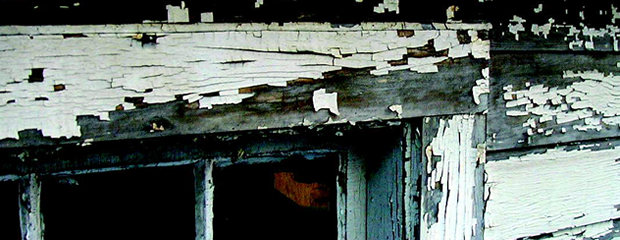
F.A.Q. Wood With Lead Paint
The MCMUA operates one of NJ's most comprehensive household hazardous waste (HHW) programs. This F.A.Q. page and information on hazardous materials is intended as a guide about HHW materials as well as the MCMUA's HHW program. This information is a general guide and does not constitute official rule, regulation or law.
Hazardous Waste Materials
- Adhesives
- Aerosols
- Antifreeze
- Appliances (CFCs)
- Art & Crafts
- Asbestos
- Batteries (Auto & Boat)
- Batteries, Household (dry cell)
- Cell Phones
- Compressed Gas Cylinders
- Driveway Sealer
- Electronics
- Fire Extinguishers
- Fluorescents
- Gasoline
- Medical Waste
- Kerosene
- Mercury
- Motor Oil & Filters
- Muriatic Acid (HCl)
- Paints & Stains
- Pesticides
- Photo Chemicals
- Pool Chemicals
- Propane
- Rock Salt
- Smoke Detectors
- Solvents
- Wood with Lead Paint
Hazards
-
Ingested lead paint chips has been proven to cause brain damage in children.
Handling
- Handle items (moldings, doors and windows) in a way that minimizes paint chipping.
-
Keep out of reach of children and pets.
Management Options
- Households may dispose of small amounts of painted wood in the trash, although local size restrictions may require pieces to be cut.
- If there is a choice of disposal facilities: send items with lead-based paint to a lined solid waste landfill rather than a waste-to-energy facility.
-
If items are removed by a contractor, the contractor must dispose of them according to federal, state and local requirements.